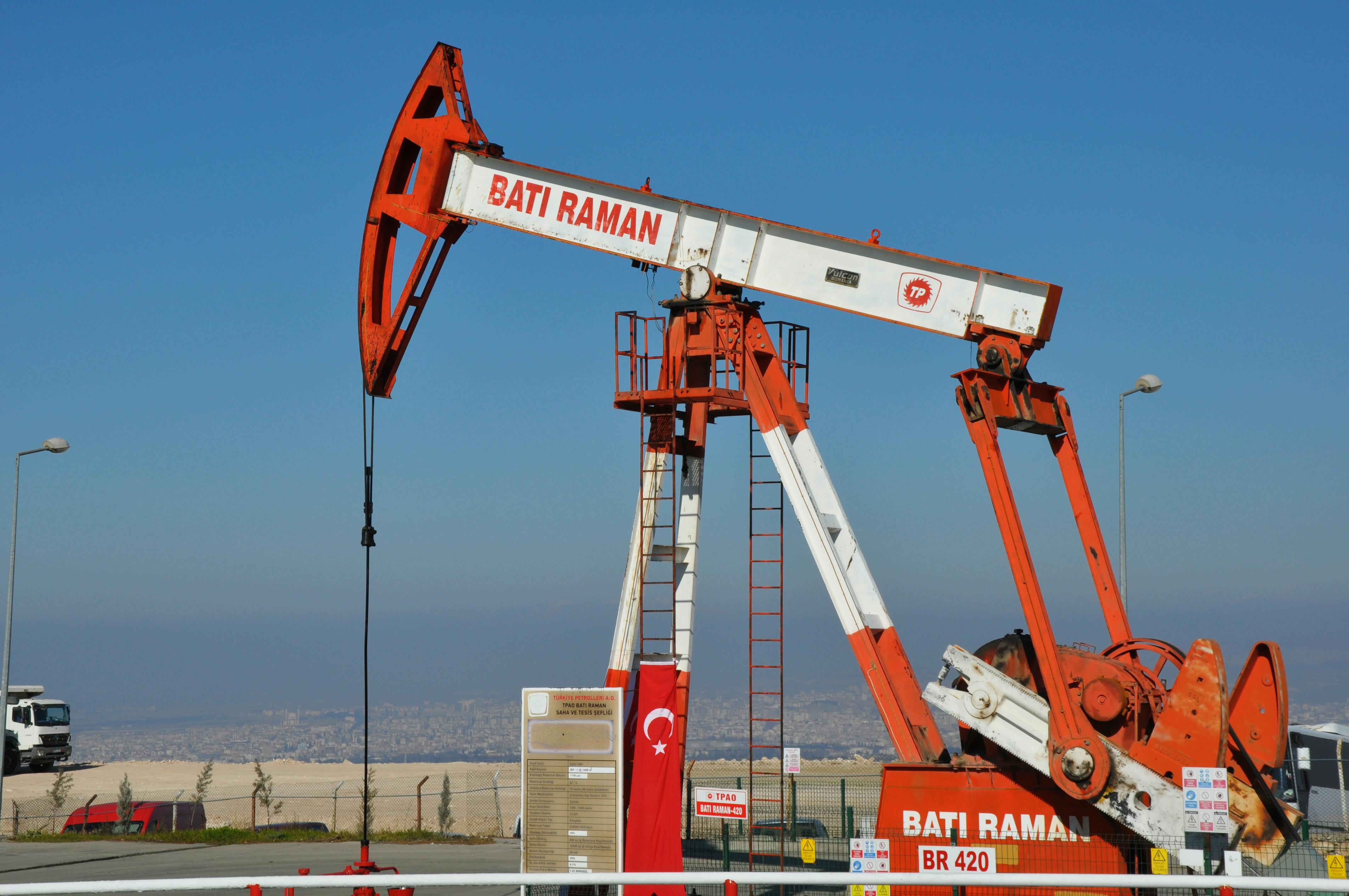
Oil well abandonment is a critical phase in the lifecycle of a hydrocarbon field, marking the transition from production to permanent closure. Properly executed abandonment protects the environment, safeguards public health, and preserves the value of the surrounding land for future use. This article outlines the essential steps, regulatory considerations, and best practices that guide engineers, contractors, and regulators through a safe and compliant well plug-and-abandonment (P&A) process.
Regulatory Framework and Planning
Before any physical work begins, a comprehensive plan must align with federal, state, and local regulations. These rules dictate the technical standards, documentation, and post-abandonment monitoring required to achieve a “clean” closure.
Key Planning Elements
- Regulatory Review: Identify applicable statutes such as the U.S. EPA’s Underground Injection Control (UIC) program, state oil and gas commissions, and local zoning ordinances.
- Well History Compilation: Gather drilling logs, completion reports, production data, and previous workover records to understand the well’s construction and any legacy issues.
- Risk Assessment: Evaluate potential hazards, including high-pressure zones, sour gas, or unstable formations that could affect plugging operations.
- Stakeholder Coordination: Engage landowners, community groups, and relevant agencies early to address concerns and secure necessary permits.
Technical Steps in the Abandonment Process
The technical execution of an oil well abandonment follows a sequence of well-defined actions designed to isolate all hydrocarbon zones and prevent future migration of fluids.
1. Wellbore Clean-out
- Remove residual oil, water, and drilling debris using circulating fluids or mechanical tools.
- Conduct pressure tests to verify that no uncontrolled flow remains.
2. Plug Placement
- Install cement plugs at strategic depths, typically above each producing zone, across the casing shoe, and at the surface.
- Use multiple plug systems (e.g., mechanical, cement, and composite plugs) to create redundant barriers.
- Verify plug integrity with pressure testing and logging tools such as cement bond logs (CBL) or ultrasonic imaging.
3. Perforation and Cutting of Casing
- Cut the casing at a predetermined depth, often 30-50″?feet below the surface, to remove the upper portion of the well.
- Seal the cut surface with a permanent plug or a steel bridge plug to prevent surface entry.
4. Surface Restoration
- Backfill the wellhead area with engineered material (e.g., sand, grout) to support the site.
- Regrade and revegetate the land to its pre-construction condition, complying with local reclamation standards.
Best Practices for a Successful Abandonment
Adhering to industry-proven best practices enhances safety, reduces costs, and ensures long-term environmental protection.
- Use Qualified Personnel: Engage engineers and crews with documented experience in plug-and-abandonment projects. Specialized training in high-pressure and sour-gas environments is essential.
- Apply Advanced Cement Technology: High-strength, low-shrinkage cement blends improve plug longevity, especially in reactive or fractured formations.
- Document Every Step: Maintain a detailed abandonment log that includes cement mix designs, plug depths, pressure test results, and photographic evidence. This documentation supports regulatory filings and future audits.
- Perform Post-Abandonment Monitoring: Implement a monitoring program that includes surface inspections, groundwater sampling, and periodic well integrity checks for at least five years after closure.
- Leverage Integrated Services: Partner with firms that provide comprehensive oil well abandonment services, offering everything from engineering design to field execution and post-closure reporting.
Cost Management and Efficiency
While safety and compliance are non-negotiable, managing the financial aspects of abandonment is also crucial. Efficient budgeting can be achieved through:
- Early integration of abandonment planning into the field development lifecycle to avoid surprise expenses.
- Standardizing plug designs across multiple wells to benefit from economies of scale.
- Utilizing real-time data acquisition during plug placement to reduce re-work and non-productive time.
Future Trends in Well Abandonment
Technological advancements are reshaping how the industry approaches well closure. Emerging trends include:
- Smart Plugging Materials: Cement formulations embedded with sensors that transmit pressure and temperature data to surface monitoring stations.
- Robotic Plugging Tools: Remote-operated devices capable of placing and testing plugs in challenging geometries without direct human intervention.
- Digital Twin Modeling: Simulations that predict long-term plug performance under varying geological scenarios, supporting risk-based decision making.
Conclusion
Understanding the full scope of oil well abandonment, from regulatory groundwork to technical execution and post-closure stewardship, is essential for protecting the environment and maintaining public trust. By following the outlined steps, embracing best practices, and staying abreast of innovative technologies, stakeholders can ensure that each well is retired safely, responsibly, and in full compliance with the law. For organizations seeking a holistic approach, exploring specialized oil well abandonment solutions can streamline the process and deliver consistent, high-quality results.